Decommissioning of V1 Nuclear Power Plant in Bohunice Enters Final Phase
Jaslovske Bohunice, 26 May (TASR) - The decommissioning of the V1 nuclear power plant in Jaslovske Bohunice (Trnava region) is entering its final phase, said Economy Ministry State Secretary Szabolcs Hodosy following a meeting of the monitoring committee of the European Commission's Nuclear Decommissioning Assistance Programme (NDAP), which was held at the plant for the first time in history.
According to him, the project is now transitioning from the technologically challenging stage of dismantling the equipment to the demolition of buildings and structures.
"This is also the NDAP's final meeting under the Bohunice programme, because the decommissioning of the V1 nuclear power plant is entering its final stage," he noted.
He added that Slovakia has managed to succeed in several challenging operations involving the decontamination and fragmentation of large-scale components such as reactor pressure vessels, steam generators and main circulation pumps.
Thanks to modern technologies, some 98 percent of metallic materials were cleared for recycling or further use. Hodosy added that the decommissioning effort is proceeding in accordance with both the schedule and the planned budget.
NDAP and ITER representative Jan Panek noted that the committee brings together representatives from all EU-member states to monitor nuclear decommissioning projects in Slovakia, Bulgaria and Lithuania co-funded by the European Union. He stressed that the Bohunice project has generated a significant amount of know-how that can be utilised by other countries.
"The Jaslovske Bohunice programme will yield around 30 specific know-how outputs that will enable other operators to plan the decommissioning of their own nuclear power plants," explained Panek.
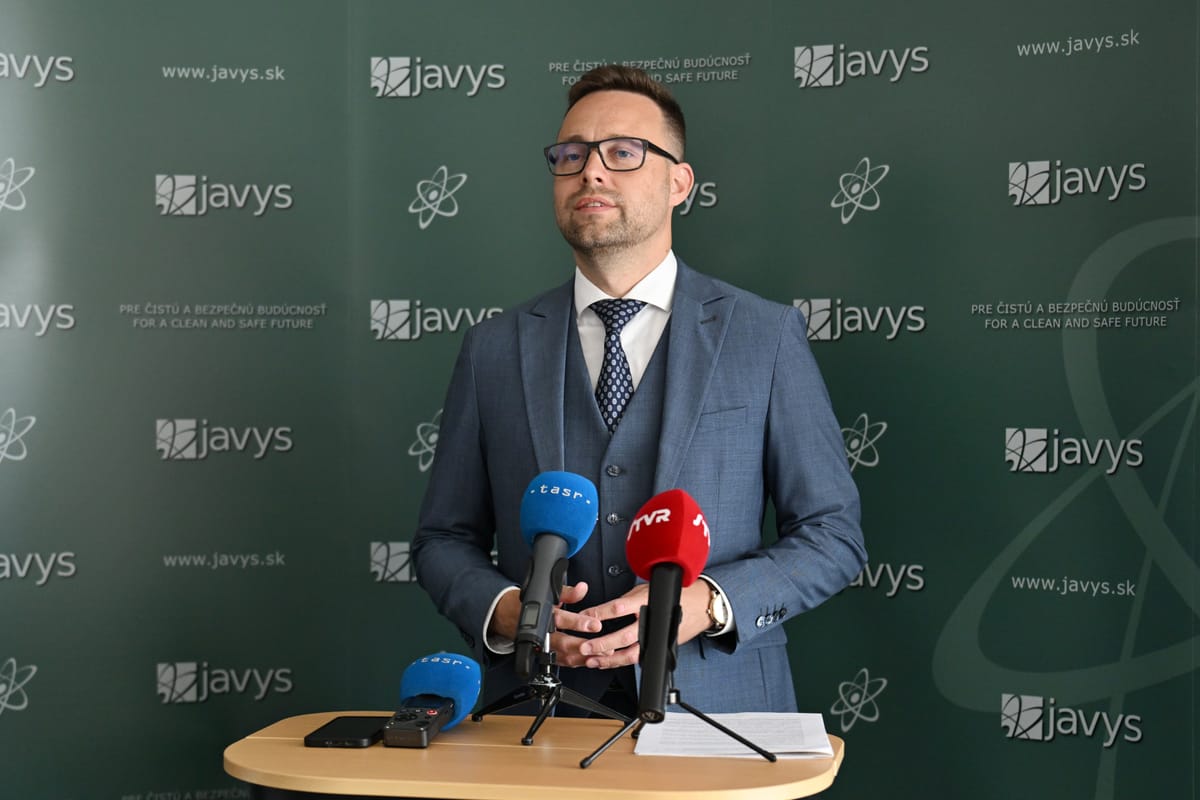
Chair of the Nuclear and Decommissioning Authority (JAVYS) Board of Directors Peter Gerhart said that the company has so far implemented more than 60 projects related to decommissioning the V1 power plant, with €891 million spent in total on the project by the end of 2025, of which the EC will provide more than €517 million. Nearly 200,000 tonnes of the material were recovered, while more than 13,000 tonnes of radioactive waste were processed.
According to Gerhart, the monitoring committee evaluated the project positively and confirmed that its completion may be expected within the planned deadline and budget.