Premier: Merz's Letter Is Blackmail, We'll Discuss Issue with Babis
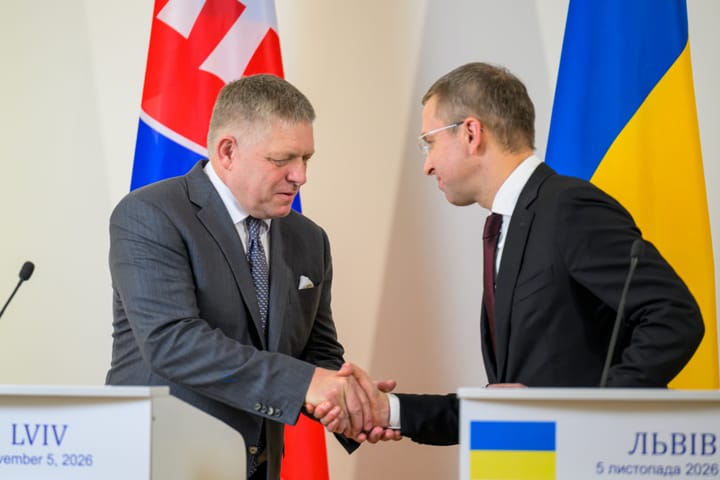
The agenda of talks between Slovak Premier Robert Fico and his Czech counterpart Babis will include a response to a letter sent by German Chancellor Friedrich Merz, who has threatened to block the EU budget unless all member states commit themselves to continuing financial aid to Ukraine.
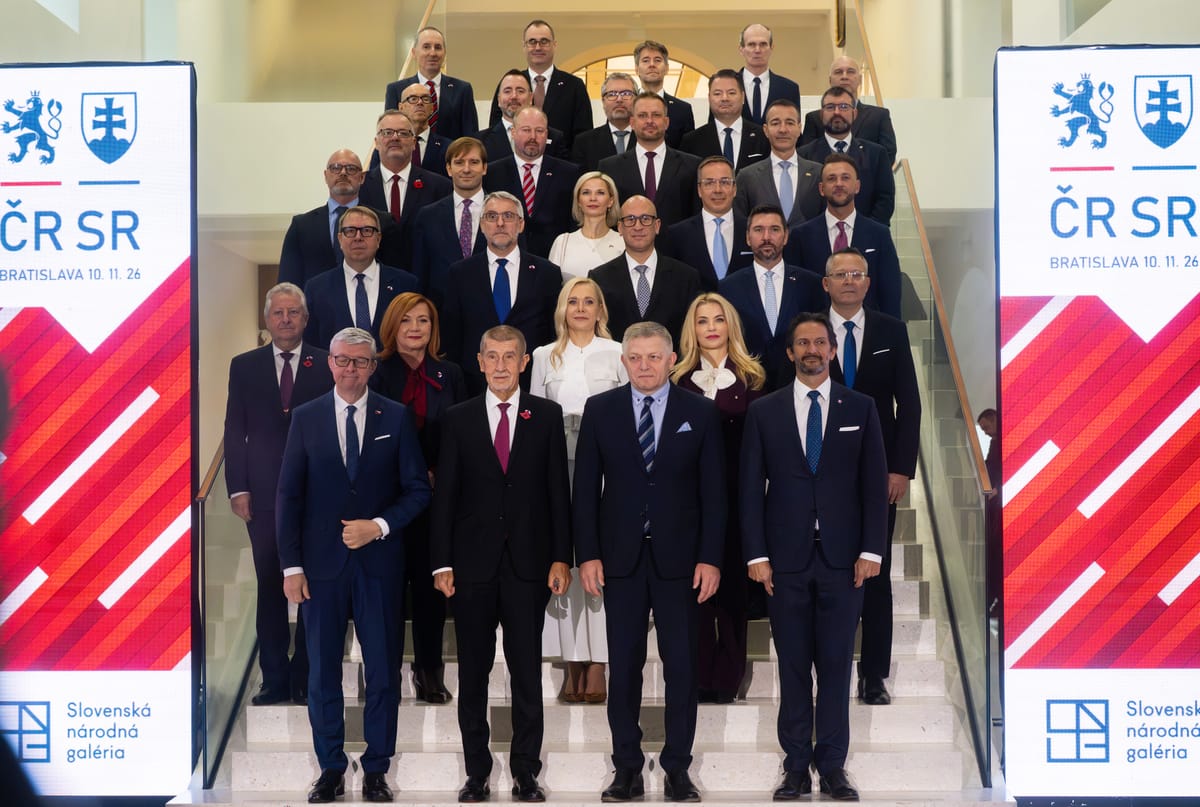
Bratislava, 10 November (TASR) - The agenda of talks between Slovak Premier Robert Fico (Smer-SD) and his Czech counterpart Babis will include a response to a letter sent by German Chancellor Friedrich Merz, who has threatened to block the approval of the EU budget for 2028–2034 unless all member states commit themselves to continuing financial aid to Ukraine in 2027 and beyond.
The Slovak premier said this in his opening comments at a joint session of the Slovak and Czech governments on Tuesday, describing the German chancellor's gesture as blackmail.
"We must respond to this blackmail today. What the German chancellor is doing is a clear case of blackmail, and I reject it," said Fico. He stressed that Slovakia has the same veto power as Germany and, as a sovereign country, is entitled to have its own opinion on the matter. He said that he's ready to hold calm discussions with the Czech premier, even for several hours if necessary, to find out "where we stand and what we're going to do".
Babis also rejected the threats. At the same time, he stressed that the European Union must participate in peace negotiations regarding Ukraine. "We have to make an effort. We're paying for all of this - directly, as well as indirectly via energy prices and other things. So, it's unacceptable for the Americans and everyone else to negotiate on our behalf, while we just sit in the corner," said the Czech premier.
Merz sent the letter threatening to block approval of the EU budget, which is available to the Financial Times, to European Council President Antonio Costa. In the letter, the German chancellor stressed that a joint commitment by all member states to contribute fairly towards covering Ukraine's financial deficit is an essential prerequisite for resolving the issue, as well as for discussing other matters, especially those with financial implications.
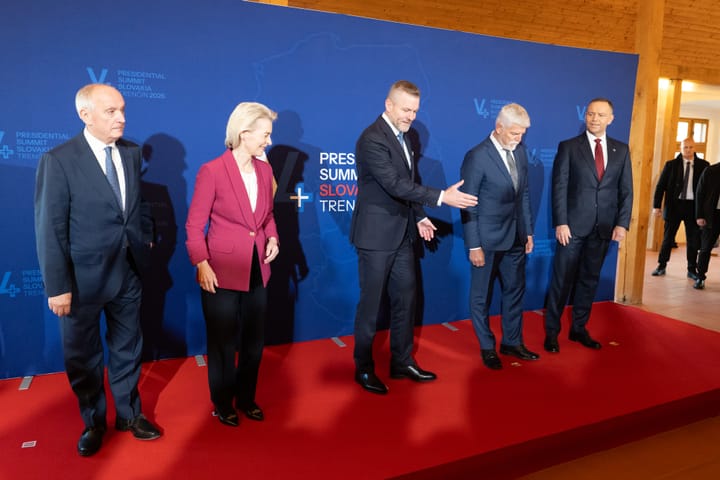
Leaders of EU-member states will meet for an informal summit in Dublin on Thursday (12 November) and Friday (13 November). One of the topics on the agenda will be the financing the deficit in Ukraine's budget, which is expected to reach some €70 billion next year. The EU intends to cover two-thirds of this amount, or €45 billion. Four member states – Hungary, Slovakia, Bulgaria and the Czech Republic – are refusing to contribute to the planned additional aid.