President: Education Reforms Must Continue Beyond Political Cycles
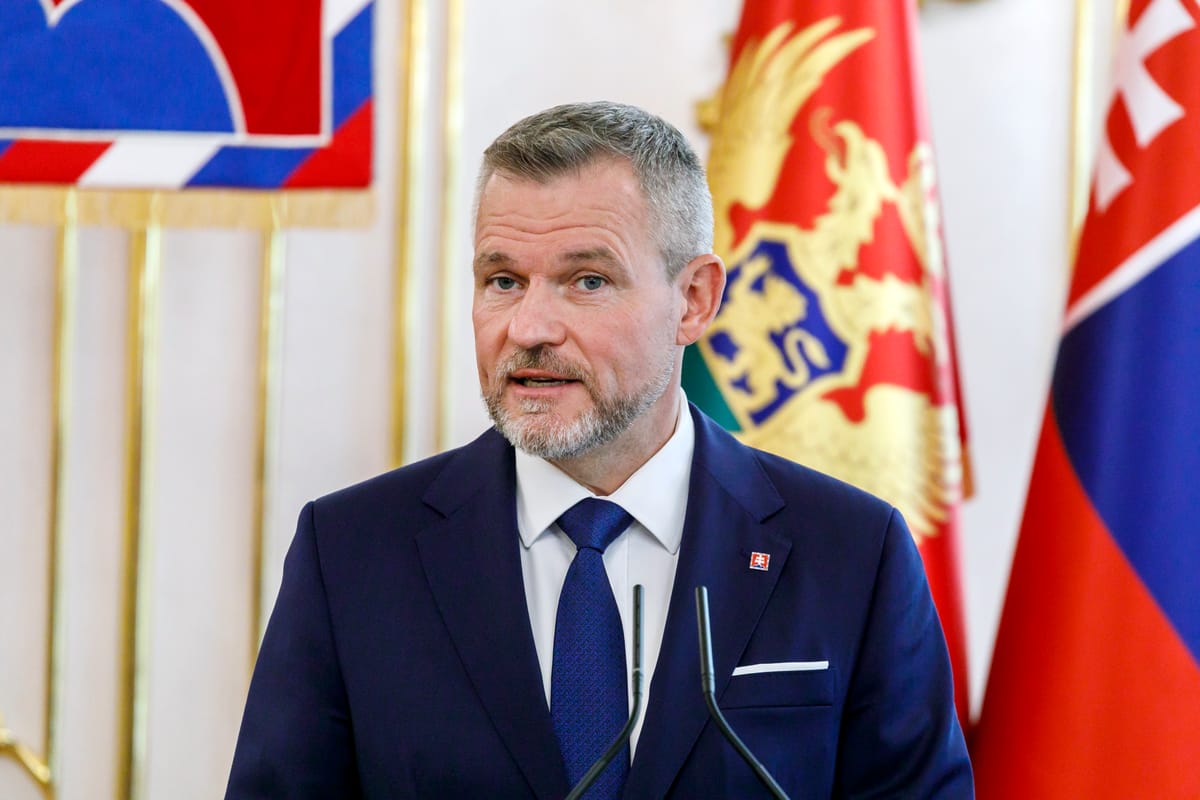
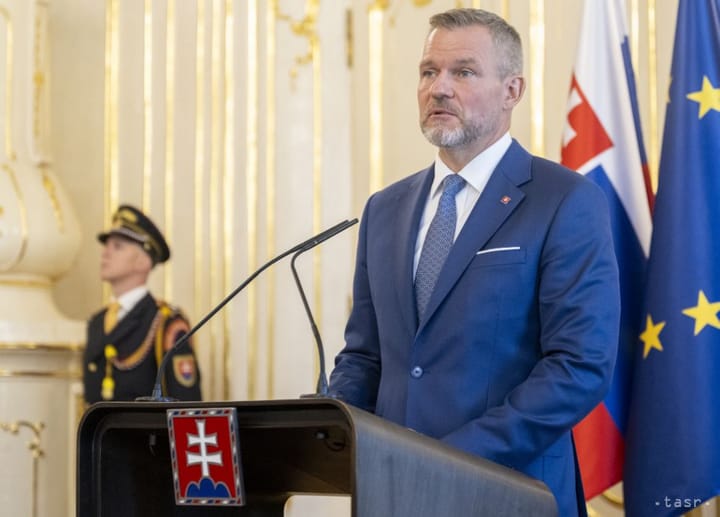
Bratislava, 27 August (TASR) - Alongside improving conditions for education workers, Slovakia must place increasing emphasis on the quality of education and the successful continuation of reforms regardless of political cycles, President Peter Pellegrini said in his address at the tenth congress of the Education Trade Union in Bratislava on Thursday, TASR has learnt from the President's Office.
He appreciated the shift in dialogue between the trade union and the state because, for many years, the discussion focused mainly on remuneration and the social status of employees, while the quality of the educational process received less attention.
"I am very pleased that we have reached a point where we are no longer discussing only salaries with the trade union, as we're now also talking about what Slovak children and Slovak society will get in return for those higher salaries," said Pellegrini, adding that the trade union is now acting as a partner of the government, not its opponent.
In his address, Pellegrini focused on the educational system reform which is entering another phase as of 1 September, describing it as a "huge shift" that, after decades, is set to essentially improve the quality of education. He also believes that the reform will gradually improve the performance of Slovak pupils in international comparisons.
Pellegrini considers it particularly important that reform processes continue after the next parliamentary election without falling victim to political change. "It's important to ensure that there's no discontinuity after the next election — in other words, that these processes are not interrupted simply because they were adopted by the previous government," warned Pellegrini, adding that the reform should be protected from political interference and continue for as long as it delivers the expected results.
He also recalled the experience of the COVID-19 pandemic which, despite serious negative consequences, accelerated the take-up of digital technologies in schools.
"It took a crisis to force us to realise that, regardless of the type of school or where in Slovakia it was located, modern technologies ultimately began to emerge as the only possible technical solution for delivering knowledge to our pupils, even when they had to stay at home," said Pellegrini.
He also paid particular attention to the remuneration system, as he considers it necessary to reward the quality of work regardless of years of service. In his view, such a system could be a significant incentive particularly for young teachers. "The only rule and criterion should be quality and a job well done," added Pellegrini.