Train Drivers: Ministry's In-Cab Cameras Approach Inappropriate
Bratislava, 24 June (TASR) - Train drivers have described the Transport Ministry's handling of issues affecting their profession as inappropriate, warning that it sends the wrong message to the public at a time when train services are being cancelled due to an acute shortage of drivers.
Matej Motycka, who chairs the train drivers' petition committee, said on Wednesday that Transport Minister Jozef Raz had openly acknowledged that some older drivers could leave the profession because of their opposition to in-cab camera monitoring.
According to Motycka, older drivers form the backbone of training for new recruits. He noted that practical driver training lasts almost five months, with experienced colleagues playing a direct role in preparing candidates for the profession.
"People with decades of experience in any field should be treated with respect. The attitude that anyone who does not like something can simply leave is not a way to build a stable and safe railway. If the railway loses these workers, we must ask whether the measures being introduced ultimately strengthen safety or create new operational risks," Motycka warned.
He added that the increased need to train new drivers would not only result in the loss of experience but would also have a negative economic impact on the state budget. In most cases, training costs are borne by state-owned rail operators financed from public funds.
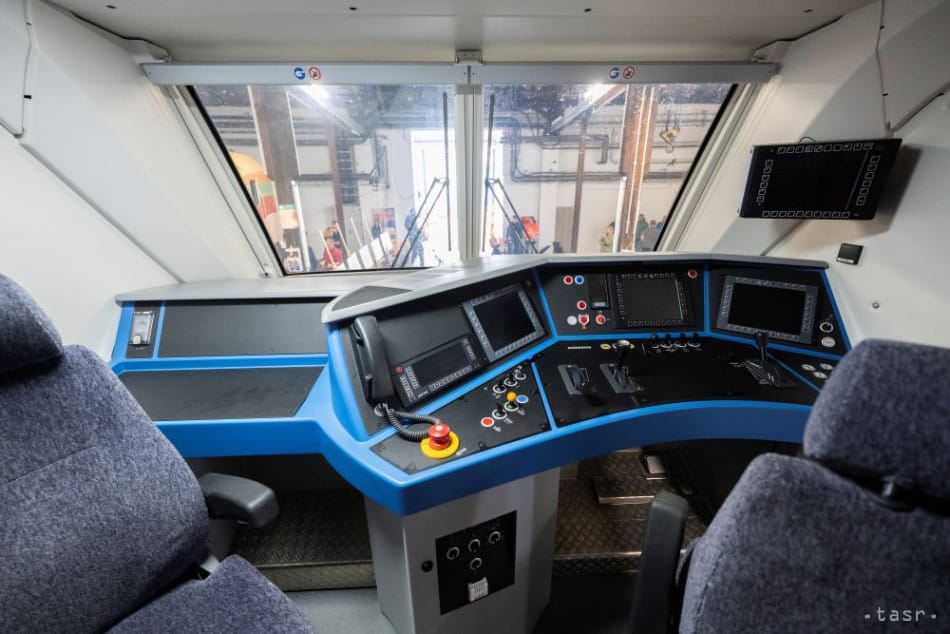
Defending the introduction of cameras for train drivers, Raz said the ministry acknowledged that the measure will be unpopular. "We were told that this is not done anywhere else. We presented several studies from around the world that clearly showed otherwise — cameras have worked and delivered significant safety benefits," he claimed.
Raz added that Poland has since introduced cameras in locomotive cabs and that the system operates successfully with positive results. He noted that the Polish cameras capture even a larger area of the cab than the cameras under the Slovak proposal, which would only record drivers' hands.
"We will have to deal with this measure," the minister said.
According to Raz, the safety of thousands of passengers must be weighed against the discomfort experienced by drivers. He said he understood that the measure will cause dissatisfaction and frustration and that some older employees approaching retirement might decide to leave. "It is up to locomotive operators to deal with this situation," he said, adding that the ministry will provide assistance where possible.
Train drivers have also criticised the way the measure is being implemented by the ZSSK passenger carrier. The petition committee said the company amended an internal regulation without allowing employee representatives to comment on the changes, which could constitute a breach of the collective agreement.
The drivers said the camera system could serve as a tool for analysing incidents after they occur, but on its own would not address all causes of railway accidents. Motycka argued that a broader professional debate was needed on the overall approach to investigating railway accidents, with greater attention paid to systemic issues that he believes are often overlooked within the rail sector.