Venhart: Slovakia's Vision 2040 Identifies Key Challenges and Strengths
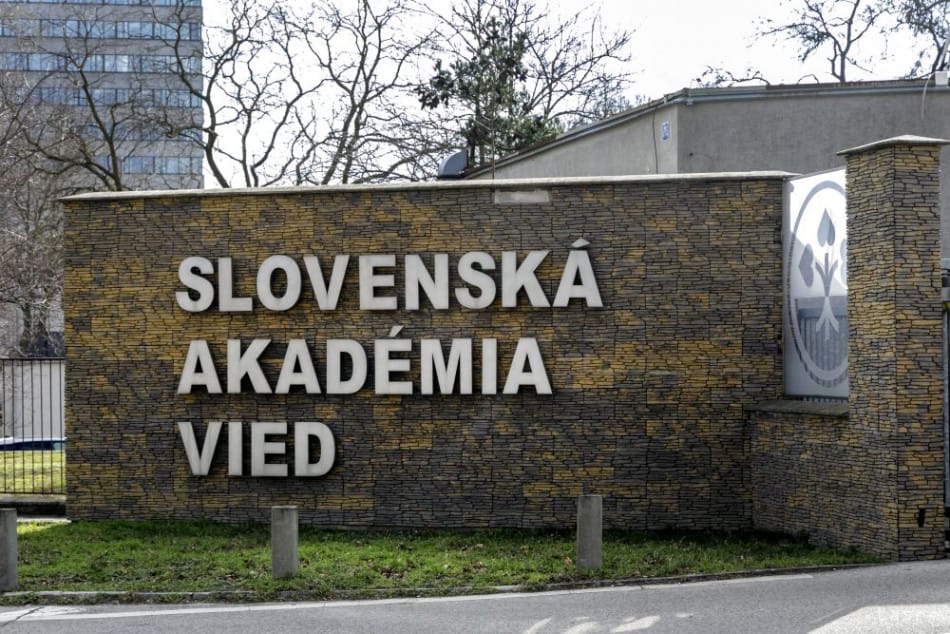
Bratislava, 28 June (TASR) - The Vision 2040 document, drafted under the expert supervision of the Slovak Academy of Sciences (SAV), identifies both Slovakia's key challenges and its strengths, SAV President Martin Venhart told TASR.
Among the country's most significant challenges, Venhart highlighted an unfavourable demographic outlook and the state of the public finances, adding that the list of issues facing Slovakia is much longer.
According to Venhart, one of Slovakia's greatest strengths is its energy sector. He noted that Slovakia ranks among the cleanest countries in the European Union in terms of electricity generation.
"In terms of the grams of carbon dioxide emitted to produce one kilowatt-hour of electricity, we are among Europe's leading performers," he underlined.
He added that Slovakia's electricity generation is based primarily on nuclear power, a position clearly set out in the Vision 2040 document. However, the country will need to transform other areas of energy production, particularly heating and transport, he stated.
Venhart also said Slovakia could build on its industrial base. "We have factories producing world-class products in their respective fields, while making substantial investments in modern technologies that save energy and protect the environment, setting an example in many respects. On the other hand, there are also factories where such investments are still to come," he claimed.
The SAV president identified water resources and the country's preparedness for increasing drought as another strategic priority, adding that these issues are also addressed in the Vision 2040 document.
Vision Slovakia 2040 forms the first, conceptual part of the country's strategic development framework through to 2040. It is set to be followed by a second document, Strategy Slovakia 2040. The government tasked the Slovak Academy of Sciences with preparing both documents in November last year. Their aim is to identify, on the basis of evidence, the country's main social and economic challenges, define shared strategic objectives, and establish a framework for achieving them over a timeframe extending beyond electoral cycles.