Budgetary Council: Rising Debt Has Depleted Slovakia's Fiscal Space
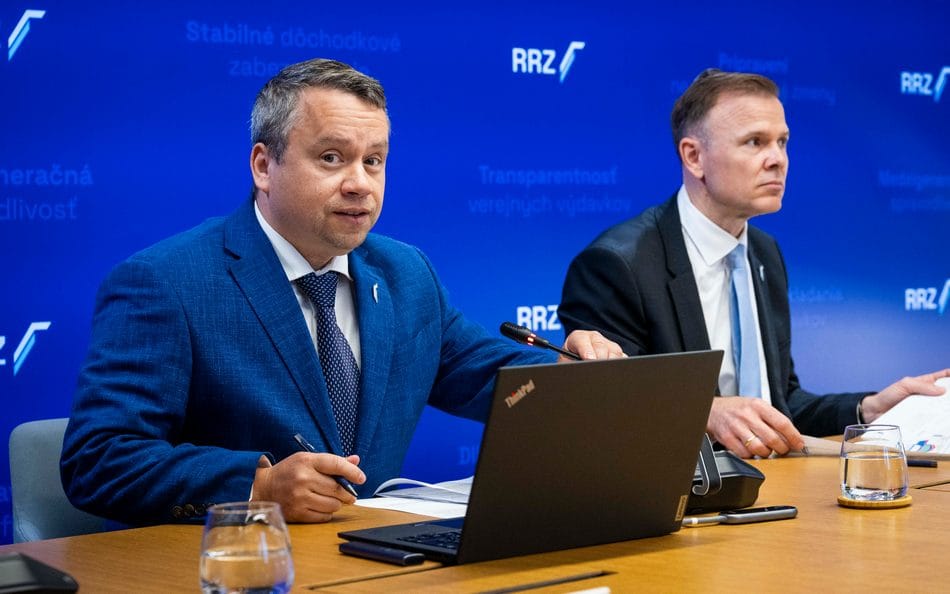
Bratislava, 17 August (TASR) - Rising debt has exhausted Slovakia's fiscal space, and any further crisis will be more painful, according to a new analytical publication called 'Slovakia's Fiscal Space 2026', presented by representatives of the Budgetary Responsibility Council (RRZ).
The public debt exceeds 60 percent of gross domestic product (GDP), while RRZ estimates that the safe level is below 50 percent of GDP. Without further measures, the current debt is on course to reach 75 percent of GDP by the end of this decade.
According to the report, the fact that fiscal space has been exhausted doesn't mean that Slovakia is facing an immediate threat of bankruptcy. However, in the event of another crisis, the country will face fiscal stress - higher interest rates on its debt, the need to adopt rapid and far-reaching consolidation measures during difficult times of crisis, and consequently the inability to stabilise the economy sufficiently. In the worst-case scenario, the country may lose the ability to finance its needs on acceptable terms and will be reliant on external assistance. This would mean not only formal bankruptcy, but above all a significant impact on the standard of living of the population, and would effectively result in the loss of Slovakia's fiscal sovereignty.
The report notes that the current debt level of over 60 percent of GDP may appear relatively low compared with countries with much higher levels of debt. However, Slovakia faces an unfavourable combination of factors - debt is rising rapidly even without a further crisis, the economy's growth potential is weakening, and an ageing population will increase expenditure on pensions, health care and long-term care. These factors reduce Slovakia's ability to stabilise its debt, and therefore the safe level of debt in Slovakia is significantly lower.
The report examines major systemic shocks alongside long-term structural pressures and risks, such as a loss of competitiveness, climate change, investment debt, uncertainties surrounding the future of the automotive industry in Europe, and the gradual reduction in the inflow of EU funds. These risks may occur simultaneously and reinforce each other's effects. For example, a single deep recession at this time could increase public debt by more than 10 percent of GDP, pushing it well above 80 percent of GDP.
However, according to the report, Slovakia is not yet in a position where it has to make decisions dictated by a crisis. If, however, debt continues to rise, the scope for independent decision-making will narrow. At the same time, Slovakia cannot rely on simply growing out of its debt. Stabilising the debt requires credible, long-term and specific budgetary measures to reduce the deficit below the threshold of 2.5 percent of GDP.
"The key task should therefore be to halt the growth of debt and restore confidence that Slovakia has its public finances under control. Subsequently, fiscal space must be gradually created to manage potential future risks," added RRZ chairman Jan Toth.