President: Country Needs Institution of State of Alert
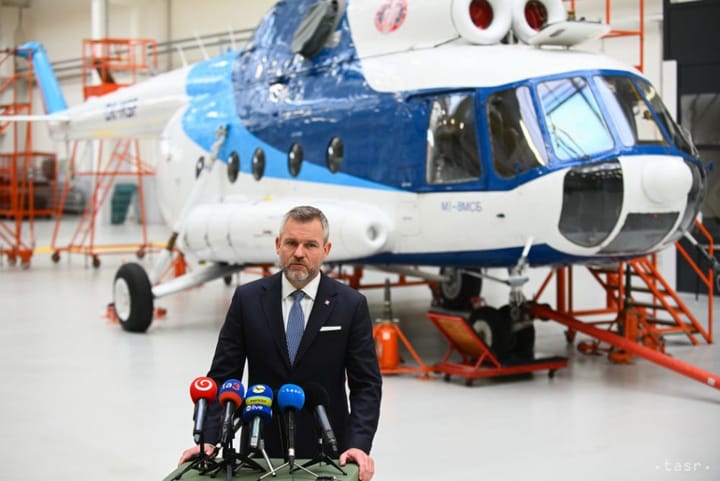
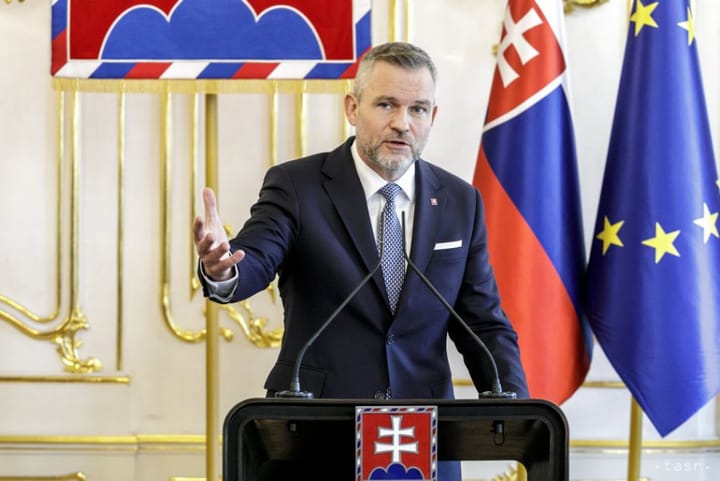
Slovakia needs legislation to introduce the institution of a state of alert, which would allow the government to use the capacities of the Slovak army even in peacetime if the country were threatened in any way, President Peter Pellegrini told a news conference on Tuesday.
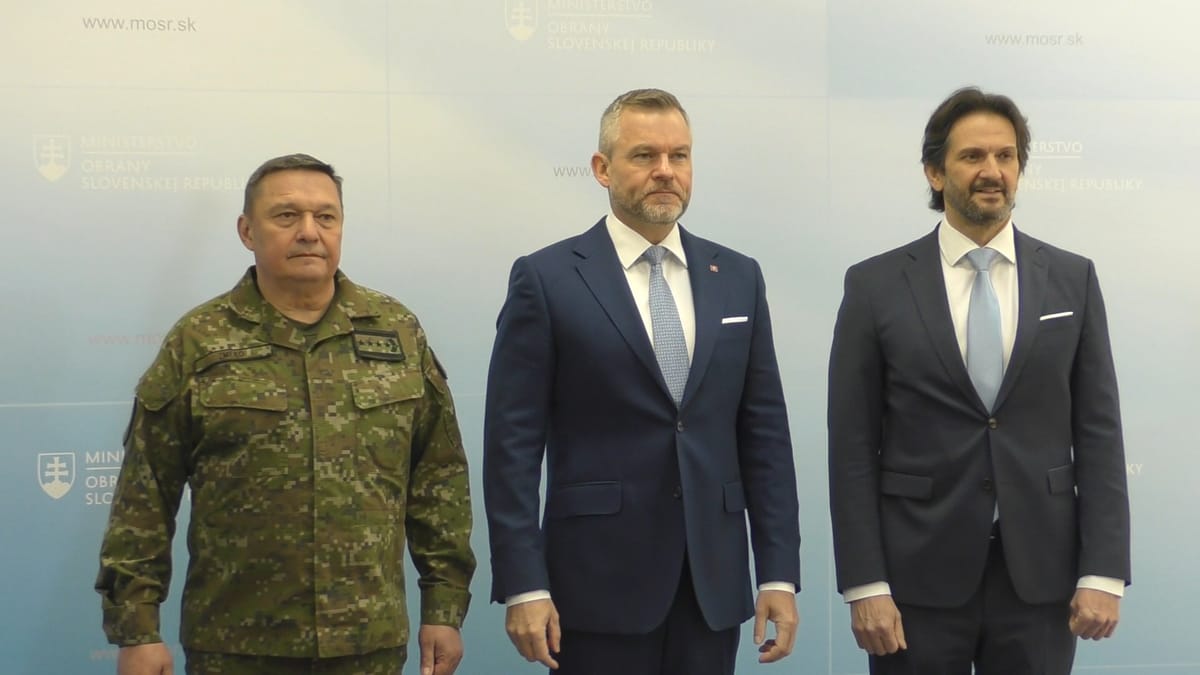
Bratislava, 10 March (TASR) - Slovakia needs legislation to introduce the institution of a state of alert, which would allow the government to use the capacities of the Slovak army even in peacetime if the country were threatened in any way, President Peter Pellegrini told a news conference on Tuesday, adding that he agreed on this need with Defence Minister Robert Kalinak (Smer-SD) and Chief-of-General-Staff of the Slovak Armed Forces Daniel Zmeko at their meeting earlier in the day.
The president pointed out that such an amendment would require a change to the Slovak Constitution, which in turn would necessitate agreement across the political spectrum.
"We'll have to seek consensus across the whole political spectrum. However, it would be irresponsible with regard to the security of the citizens of Slovakia and the protection of its territorial integrity and sovereignty if we didn't have, as an intermediate stage between peacetime and a state of war, a so-called state of alert during which the government and the armed forces would be able to respond effectively to potential threats that wouldn't yet be a declaration of war against the Slovak Republic, but would represent a serious security risk during which it would be necessary to deploy the armed forces and, of course, also use live ammunition," stated the president, who is concurrently commander-in-chief of the Slovak army.
Pellegrini added that he'll convene a round-table discussion of experts on this issue and invite politicians to the negotiations as well. He stated that an onslaught on Slovak borders could arise, for example, after the end of the war in Ukraine. "This isn't legislation that is supposed to prepare Slovakia for some kind of military conflict, but for some kind of threat. In the event that we had indications that, for example, some terrorist group or someone was trying to destroy our strategic infrastructure, such as our nuclear power plants," he said.
The head of state also suggested a mechanism for declaring such a state. The State Security Council should first discuss information, after which the government could declare a state of alert to the necessary extent.
Kalinak explained that, at present, the deployment of the armed forces against a threat without a declared state of war or wartime situation would be in conflict with the law.
The minister also rejected claims that such a mechanism, once declared, could significantly weaken people's civil rights. "I don't think it would affect human rights, as in this case we aren't restricting movement or anything like that. So, I think it's primarily aimed at enabling us to respond," he said.